

In a world where people are filled with materialistic possessions, distractions, and much digital noise, a lot of people are turning to minimalism as a way to find peace, clarity, and purpose. Minimalism is definitely more than just decluttering your home. It’s a simple lifestyle that one chooses to pursue which encourages living in peace, where every item and action has a purpose. Whether you’re looking to simplify your space or free up mental bandwidth, this article will walk you through every aspect of minimalism and decluttering in a beginner-friendly way.
What Is Minimalism & Why It Matters
Minimalism is the practice of focusing on what truly adds value to your life and eliminating everything that is not important to you. Contrary to popular belief, it doesn’t mean living in an empty white room with no furniture, but it is more about removing excess in all forms be it physical, mental, emotional and making room for what really matters to you.
This approach helps and allows people to find more clarity, time, and peace. When your home isn’t filled with unused items and your calendar isn’t packed with unimportant tasks, you’re better able to focus on your goals, relationships, health, and creativity.
In today’s consumer-driven world, minimalism matters because it encourages mindfulness and intentionality. It’s about making conscious decisions rather than operating on autopilot with the crowd. Whether you’re dealing with cluttered shelves or an overcommitted lifestyle, minimalism can help you regain control and enjoy peace.
Decluttering Your Home Room by Room
Decluttering your home can feel a task, especially if you’ve accumulated a lot over the years. The best way to tackle this is one room at a time, and by working systematically. You not only prevent burnout but also see good measurable progress along the way.
Living Room
Removing items that don’t serve a purpose like unused electronics, old magazines, excessive throw pillows, or duplicate décor. Plan how you wish to use your living room and arrange it to support comfort and connection. Limit the décor to a few meaningful pieces to make the space feel open.
Kitchen
The kitchen often becomes a storage hub for unused gadgets and expired food. Begin with one cabinet or drawer and discard duplicates. Clear off countertops as much as possible to make food prep easy and stress-free. Store only what you use regularly and remove everything else.
Bedroom
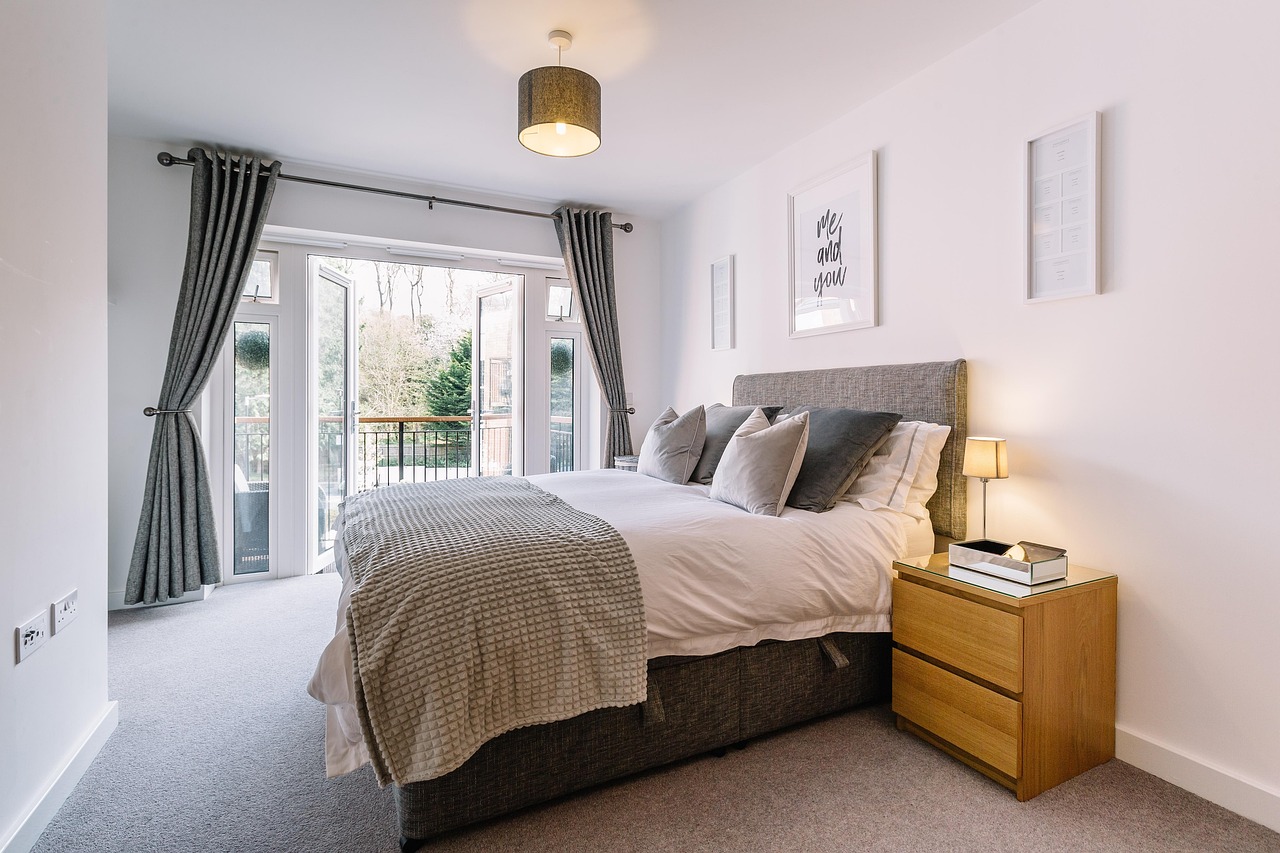
Your bedroom should be a place to relax.. Remove items that belong in other areas like work papers, extra furniture, unused accessories. Keep clothing to pieces you love and wear often. Decluttering your bedroom leads to better sleep and a more peaceful start and end to your day.
Bathroom
Remove expired products, half-used bottles, and anything you haven’t used in the last three months. Store daily-use items within easy reach, and consider using small organizers to group products. A tidy bathroom can speed up your morning routine and help reduce stress.
Closet
Closet decluttering is a task on its own. Start with clothes that no longer fit or are damaged. Create space by donating, recycling, or selling them. A simplified wardrobe makes getting dressed quicker and boosts your confidence.
Related Read: Guide to Organising & Storage Hacks
Minimalist Lifestyle Habits
Minimalism is a long term project, more easily said as – it’s a way of life. Building simple habits into your daily routine will help you to maintain clarity and calm.
One of the key habits is mindful consumption. Always think before you buy. Ask yourself if the item is really something you need or you just want it. Over time, you’ll find yourself shopping less and saving more.
Another important habit is digital decluttering. Unsubscribe from email lists you no longer read. Limit your screen time and remove unused apps. A minimalist digital life reduces distractions and improves focus.
Saying no is also a crucial habit. A minimalist lifestyle means protecting your time and energy. Decline unnecessary commitments and only say yes to things that align with your priorities.
Lastly, practice gratitude. When you’re grateful for what you have, the desire for more naturally fades. Gratitude grounds you and helps you embrace simplicity.
Must Read: The Ultimate Guide to Personal Development & Motivation
Simple Systems & Daily Routines
Maintaining a minimalist lifestyle becomes easier when you have systems and routines in place. Again, these should not be complicated as they’re meant to support a stress-free and organized life.
One simple rule to follow is the “one in, one out” rule. For every new item you bring into your home, let go of one you no longer need. This helps prevent clutter from building up again.
Establish weekly reset routines, like tidying your home every Sunday evening, checking your schedule, and setting intentions for the week ahead. A clean environment equals a clear mind.
Another helpful system is to create zones in your home. Create spaces designed with a specific purpose like having a dedicated workspace and a storage spot for everyday essentials. These zones add structure without complexity.
Simplify your wardrobe. A small set of versatile clothing items that mix and match easily saves time, reduces decision fatigue, and keeps your closet tidy.
Meal planning is another habit that reduces waste and daily decision-making. Choose a few easy recipes for the week, shop with a list, and prep meals in batches.
Letting Go with Purpose
Letting go isn’t just about removing physical items, but it’s also about releasing emotional baggag. Many people hold on to things out of guilt, sentiment, or the fear that they might need it someday. But every item you keep takes up space and energy. Instead of asking what you want to get rid of, ask what you truly want to keep. Keep the items that serve your current life, not your past or imagined future.
You can cherish memories without holding onto every souvenir or gift. Take photos of sentimental items, write down memories, or repurpose things in meaningful ways.
Decluttering can also mean cutting back on toxic relationships, overcommitted schedules, or draining habits. Minimalism allows you to say yes to the things that align with your goals and no to the rest guilt-free. Letting go with purpose is empowering. It helps you live more in the present and makes space for new opportunities and experiences.
Final Thoughts
Minimalism and decluttering are not about depriving yourself of anything. They’re about discovering freedom from excess, from stress, and from the pressure to constantly do or have more. Whether you’re starting with a messy room or a cluttered schedule, the journey towards a simpler, more intentional life begins with a single step.
By focusing on what truly matters, building sustainable habits, and creating calm spaces, you can transform not just your home, but your mindset and lifestyle. Minimalism is a practice and with each step, you move closer to a life that feels lighter, freer, and more fulfilling.