


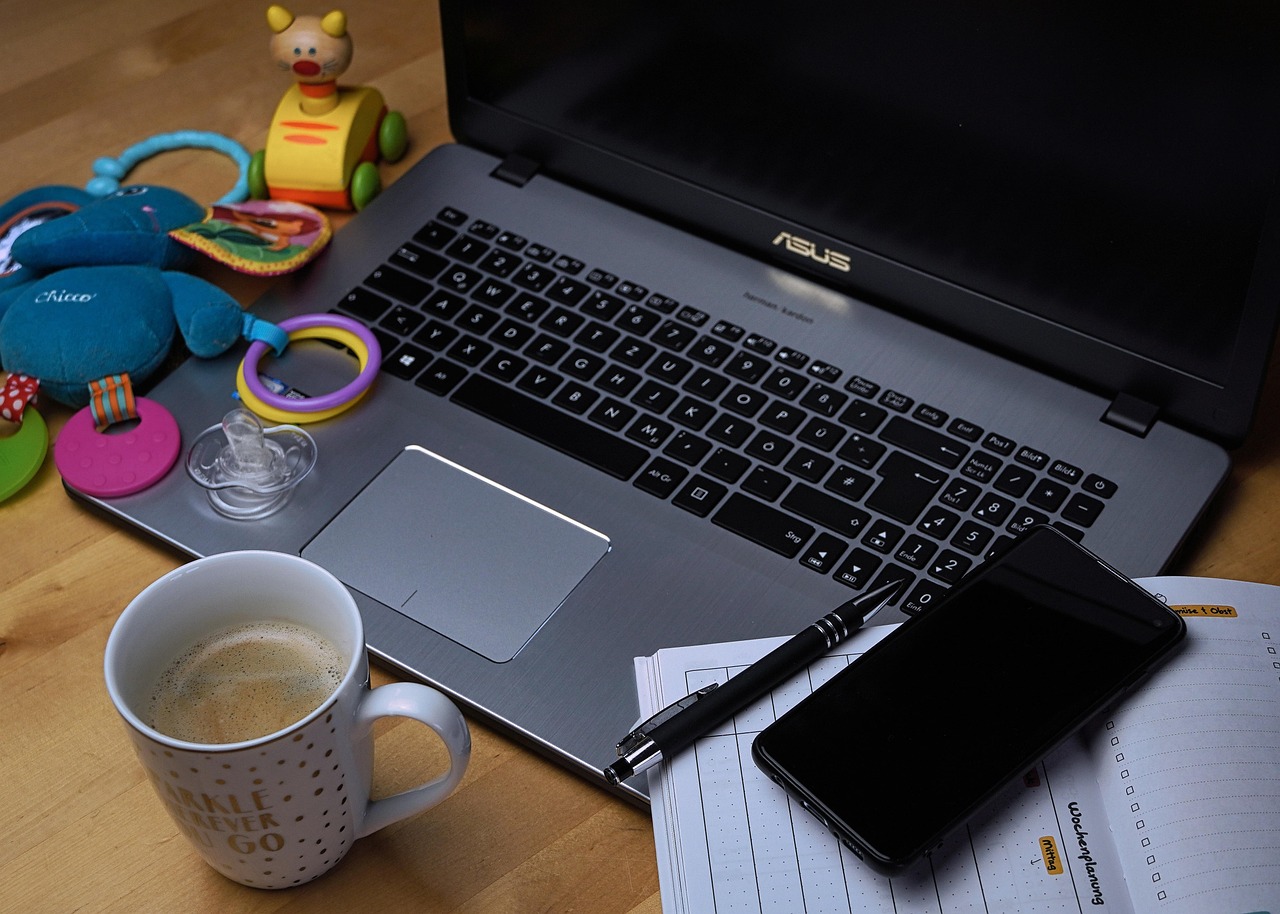
Finding a perfect balance between our professional responsibilities and personal life has become more important than ever. Whether you’re a working parent, a student with a side hustle, or a corporate professional with hybrid work, maintaining a healthy work life balance is essential for long-term happiness, health and productivity. In this article we will be discussing everything that you need to know about work life balance like why it matters, how to create it, and what are the tools that can help you along the way.
What Is Work Life Balance
Work life balance refers to the state of balance where a person prioritizes the demands of their career and personal life in a sustainable and fulfilling way. It doesn’t mean spending equal hours at work and home, but rather ensuring neither of them takes up your time.
Why is this balance crucial? A poor work life balance can lead to stress, burnout, strained relationships, and even health issues. On the flip side, maintaining balance helps individuals feel more satisfied, perform better at work, and enjoy meaningful connections with family and friends. It is not a luxury but it’s a necessity for long-term well-being.
In India, especially, where long working hours and blurred boundaries are often normalized, the importance of consciously creating this balance cannot be emphasized more. With growing and changing work cultures and increasing awareness around mental health, the conversation around work life balance is more relevant than ever.
Time Management and Setting Boundaries
One of the biggest challenges that people face while trying to maintain a balance is poor time management. Without clearly defined schedules and boundaries, work can easily spill into your personal time, especially for those working from home.
Start by identifying how your time is currently spent. Using tools like time-tracking apps or simple daily logs can be helpful. Once you understand your patterns, you can allocate time blocks for specific tasks. The Pomodoro method helps you to stay focused and reduce multitasking.
Setting boundaries is equally important. Communicate your work hours to your employer and family, and be firm about logging off at the end of the day. Avoid checking emails late at night or during weekends unless it’s an emergency. Simple practices like setting “Do Not Disturb” modes on your phone or having a separate work device can help fixate these boundaries.
Self-Care and Mental Health
Work life balance isn’t only about time but it’s about energy and mental presence too. Self-care is a very much essential pillar of balance and should never be viewed as selfish. In fact, it’s what enables your ability to care for others and perform at your best.
Start with the very basics like proper sleep, regular exercise, and a nutritious diet. These aren’t optional extras but foundations for a healthy mind and body. Beyond that, make time for hobbies, spiritual practices, or anything that brings you joy and relaxation. Even 20–30 minutes a day of focused self-care can make a difference.
Mental health deserves special attention. Chronic stress can creep up quietly, affecting your productivity and personal relationships. Practices such as journaling, meditation, or speaking to a therapist can help process emotions and maintain mental clarity. Building a support system like friends, family, or even online communities
Related Read: The Ultimate Guide to Personal Development & Motivation
Life Stage or Role-Based Advice
Work life balance is different for different people. Understanding your life stage and personal responsibilities can help you create a plan that works for you.
For young professionals, the challenge is often learning how to say no and avoiding overcommitment early in their careers. It’s important to pace yourself and not sacrifice health or relationships for rapid growth.
Parents, especially mothers, often juggle professional duties with parenting, household chores, and caregiving. Delegation and shared responsibilities with a partner along with flexible work arrangements become important. Planning your day around your child’s schedule and carving out dedicated “me time” helps prevent self exhaustion.
Students who are managing part-time jobs or side hustles should be avoiding burnout by setting realistic goals and prioritizing rest and recreation. Creating weekly schedules that incorporate study, work, and relaxation can reduce last-minute panic and improve academic and emotional performance.
Retirees or those in career transitions may struggle with redefining their sense of purpose. For them, balance may mean finding time for volunteering, part-time work, travel, or learning new skills, all while nurturing family bonds and health.
Remote Work and Hybrid Tips
The rise of remote and hybrid work models has brought both freedom and challenges. Without the structure of a traditional office, it becomes easy to blur the lines between work and home life.
To maintain that balance while working remotely you can start by setting up a designated workspace, preferably away from your bedroom. This mental separation signals when you’re in work mode versus personal mode. Dress professionally even if you’re at home; it helps set the tone for productivity.
Stick to regular work hours and avoid the temptation to stretch your day unnecessarily. Take breaks, step outside for fresh air, or do a quick stretch session to recharge. Avoid working from your bed or couch for extended periods as it affects posture, focus, and sleep patterns.
For hybrid workers, plan your office and home days strategically. Use office days for collaborative work and meetings, and reserve home days for focused, deep work. Don’t forget to communicate your schedule with your team and family to ensure expectations are aligned.
Tools, Resources, and Routines That Help
Technology can be a powerful source to strike a work life balance. If used mindfully. You acan start by using calendar apps like Google Calendar to schedule both work and personal tasks. Blocking out time for exercise, meals, and breaks ensures that your day doesn’t get hijacked by meetings or urgent requests.
Task management tools like Trello, Notion, or Todoist help keep your to-do list organized and reduce mental clutter. These platforms allow you to prioritize tasks and break down projects into manageable steps.
Creating consistent routines is equally important. A strong morning routine can set a positive tone for the day, whether it’s a workout, a journal entry, or a simple cup of tea in silence. Similarly, a wind-down routine in the evening helps signal your brain that it’s time to rest.
Final Thoughts: Balance Is a Practice, Not a Destination
Achieving work life balance is a continuous process. Your needs, priorities, and responsibilities will change over time, and so should your strategies. The idea is to stay self-aware, adapt as needed, and prioritize your well-being along with your professional goals.
Balance doesn’t mean perfection. Some days will be work-heavy, others more personal and that’s very much okay. What really matters is planning for a long-term rhythm where you can work with purpose and live with joy.