

In 2025, the influencer industry is a lot more than selfies and product placement. It has grown up large into a multi-billion dollar ecosystem that is now forming culture, commerce and communication. Influencer marketing is now playing an important role for brands worldwide with new platforms, more innovative monetization tactics and hyper-niche content. Whether you’re someone who is trying to become a creator, a marketing person, or someone just interested in how the influencer arena is developing, then this guide will take you through the trends that are currently defining the influencer economy.
Overview of the Influencer Economy in 2025
The global influencer marketing industry has been driven by increased reach of the internet into the most rural of areas along with a shift to mobile-first consumption and a growing belief that audiences place creators above traditional advertising.
The creator economy has boomed in India alone where even regional/hyperlocal influencers or micro-creators are becoming more relevant in tier-2 and tier-3 cities. The ecosystem now spans from solo vloggers and niche Instagrammers to professional creator teams and influencer agencies, to even AI-generated virtual influencers.
The turn is an indication of how influencers are perceived; not just as entertainers, but as people to trust, product curators, and community leaders. The creator landscape has potential that extends to how brands are spending their marketing budgets as well, where more are expressing interest in long-term partnerships with creators versus working with them one time for a single project.
Platform-Specific Trends (Instagram, TikTok, YouTube)
Different platforms are evolving with their unique ways in offering creators specific formats, audiences, and algorithms to play with.
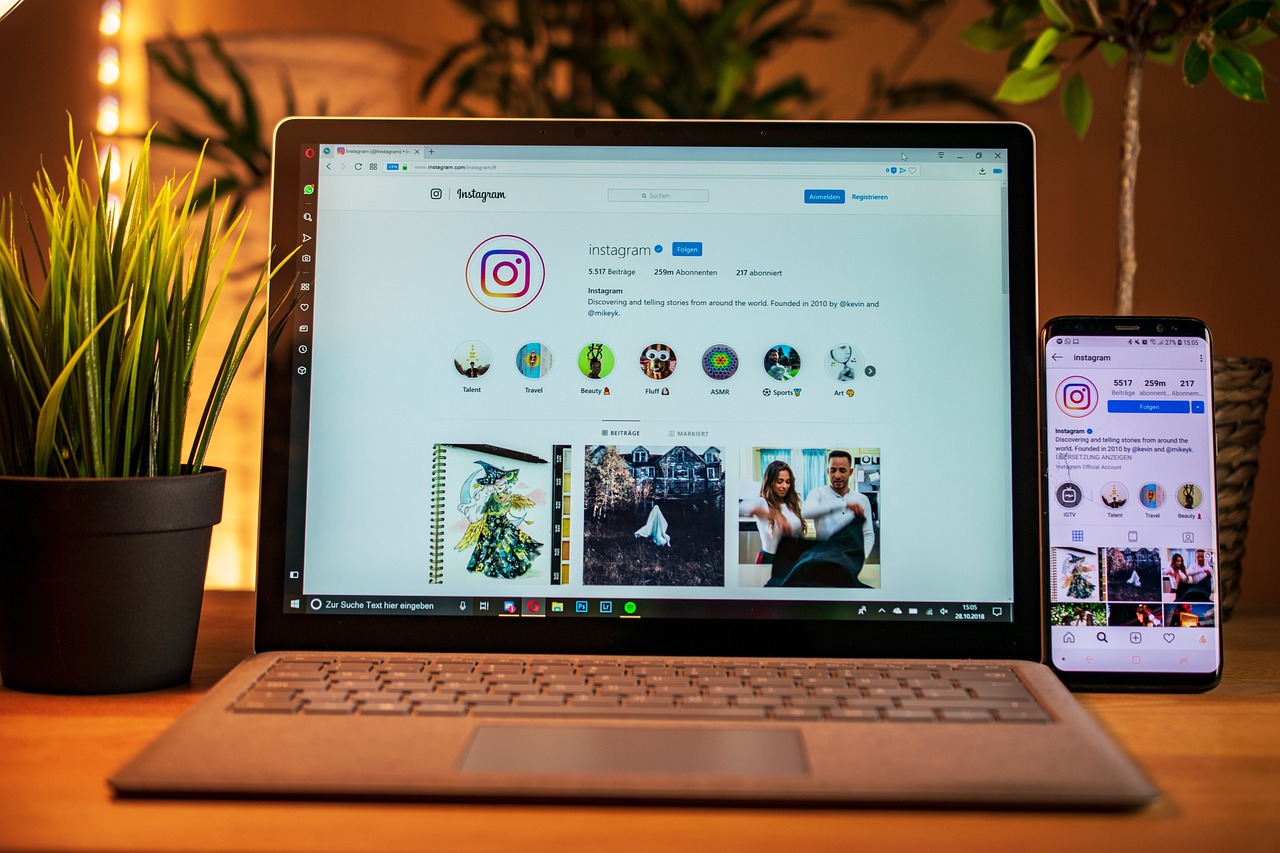
Well, Instagram is still one of the holy grails for lifestyle, fashion and beauty influencers. In 2025, Reels and Stories, not static posts, are the priority on the platform. Reels are king for discoverability, while “Add Yours” stickers, Collab Posts and in-app affiliate links are all making it easier for creators to engage with audiences and make cash. Instagram Broadcast Channels also let influencers to chat directly with their fans in a group setting, making it easier for followers to feel connected and to trust their influencers.
TikTok continues to lead when it comes to viral trends and music-driven content. In 2025, TikTok’s new AI-assisted editing tools and multi-video storytelling formats (like “Series”) have opened the door for deeper content experiences. It’s also becoming a discovery engine not just for entertainment, but for education, career advice, and niche interests.
YouTube remains the most versatile platform for long-form content and in-depth storytelling. With the rise of YouTube Shorts, the platform has successfully tapped into the short-form space while still supporting monetization through ads, channel memberships, and Super Thanks. In 2025, YouTube’s integration with podcasts and its TV app adoption have also expanded the reach of influencers beyond mobile users.
Each platform has its strengths, but most successful influencers now operate across two or more to diversify their content strategy and income streams.
Popular Content Formats in 2025
The definition of “influencer content” is expanding and now there are more aspects to invest in it. While beauty tutorials and fitness routines still thrive, new formats are dominating attention.
Short-form videos (15–60 seconds) are now essential for visibility and algorithmic reach, especially on Instagram Reels, TikTok, and YouTube Shorts. They allow for quick storytelling and encourage trend participation.
Long-form videos on YouTube, IGTV archives, or podcasts help influencers dive deeper into topics, building trust and authority with their audience. In-depth vlogs, behind-the-scenes diaries, and opinion-based content are particularly effective here.
Live streams continue to grow in popularity, especially for product launches, Q&As, and workshops. Platforms like Instagram Live and TikTok Live now support native shopping tools, making livestream commerce a strong revenue channel.
Educational and expert-led content is on the rise. Audiences are seeking value, insights, and skill-building from the creators they follow.
Interactive content, including polls, challenges, and augmented reality filters, is keeping followers engaged while gathering feedback in real-time.
New Monetization Models
Gone are the days when brand deals were the only way influencers earned. In 2025, the creator economy has diversified significantly, offering several revenue opportunities for all niche creators. Few models are mentioned below:
Affiliate Marketing is now more seamless than ever. Tools like Instagram’s native affiliate links and TikTok Shop make it easier for creators to earn commission without leaving the app.
Creator Funds offered by TikTok, YouTube, and Instagram continue to provide creators for content performance. These are performance-based and encourage creators to remain consistent and platform-loyal.
Subscriptions & Memberships allow fans to support creators directly. YouTube’s Channel Memberships, Patreon, and even Instagram’s Subscriptions feature let creators offer exclusive content for a monthly fee.
Merchandise & Product Lines are booming. From skincare lines by beauty influencers to cookbooks by food bloggers, creators are launching their own products, leveraging trust and niche credibility.
Digital products like courses, presets, and eBooks are another income stream. Creators are turning their skills into knowledge-based offerings, especially in niches like photography, finance, and marketing.
Live commerce and brand collaborations have also evolved. Many influencers are now hosting shoppable live streams or co-creating products with brands for mutual growth and exclusivity.
Niche Trends Across Industries
Influencer marketing now has a multi niche approach . In 2025, the niche is the most powerful. Audiences are seeking authenticity and relevance and niche creators offer both.
Beauty influencers are focusing more on skincare science, ingredient education, and real results. Transparent routines and dermatologist collaborations are trending.
Fashion creators are embracing slow fashion, styling challenges, and AI-assisted outfit planning tools. Thrift hauls, rental fashion, and regional wear are seeing increased attention.
Fitness & Wellness influencers are going beyond workouts. Their content now includes mental health, nutrition and more. Realistic body representation and post-pregnancy fitness are also important niches that are being talked among audiences.
Home Decor & DIY influencers are helping followers make the most of small spaces, especially in urban settings. Budget hacks, organization tips, and eco-conscious living are key themes.
Parenting, Pet Care, Personal Finance, and Regional Language content are emerging niches, offering creators untapped opportunities and highly engaged communities.
Creator Tools & Tech
The creator economy in 2025 is powerful, accessible, and growing rapidly. With AI, automation, and smart editing tools, even solo creators can now produce high-quality content efficiently.
AI video editors, auto-caption tools, and background removers have become essential for mobile-first editing. Tools like CapCut, Adobe Express, and Descript are leading the way.
Content scheduling tools like Later, Buffer, and Metricool help manage multi-platform presence, track performance, and optimize posting times.
Analytics and audience insights tools are helping creators make data-driven decisions. From follower growth to engagement rates, creators now track what works and iterate accordingly.
Virtual Influencers powered by AI are also making waves. Brands are experimenting with avatars that can model products, interact via chatbot, and even co-host campaigns alongside human creators.
Monetization dashboards, such as TikTok Creator Next or YouTube Studio, offer full transparency into earnings, ad performance, and community stats—empowering creators to treat their brand like a business.
Predictions for the Future
The influencer space is dynamic, and several forward-looking trends are expected to reshape the industry in the next few years.
Decentralization of platforms may see creators moving toward Web3-enabled content hubs where they own their audiences and monetize directly through NFTs or blockchain tokens.
AI-powered personalization will make content more relevant. Imagine content that adjusts based on your interests, location, or even mood—delivered by your favorite creators.
Sustainability and social responsibility will become non-negotiable. Audiences will expect creators to stand for causes, promote ethical brands, and practice transparency.
Regulations and transparency norms will tighten, with governments pushing for clear ad disclosures, influencer tax guidelines, and accountability for misleading claims.
Hyper-local creators in regional languages will gain more brand deals, especially in countries like India, where diversity in language and culture creates opportunities for deeper connections.
Ultimately, the creators who stay relevant will be those who embrace innovation, maintain authenticity, and understand their audience deeply.
Conclusion
In 2025, influencer marketing is no longer just a trend. It’s an evolving industry that combines creativity, commerce and community. As platforms are trying for exclusive and clean formats, monetization models are going beyond brand deals, and niche creators drive the conversation. Whether you’re new to the space or hoping to increase your presence, knowing these trends may help you traverse the digital landscape and find your niche as a creator in years to come.